
Popular Products For Concrete Pourings That Boost Efficiency and Quality
Find out which tools and materials are favored by professionals for seamless concrete pouring and long-lasting structures.
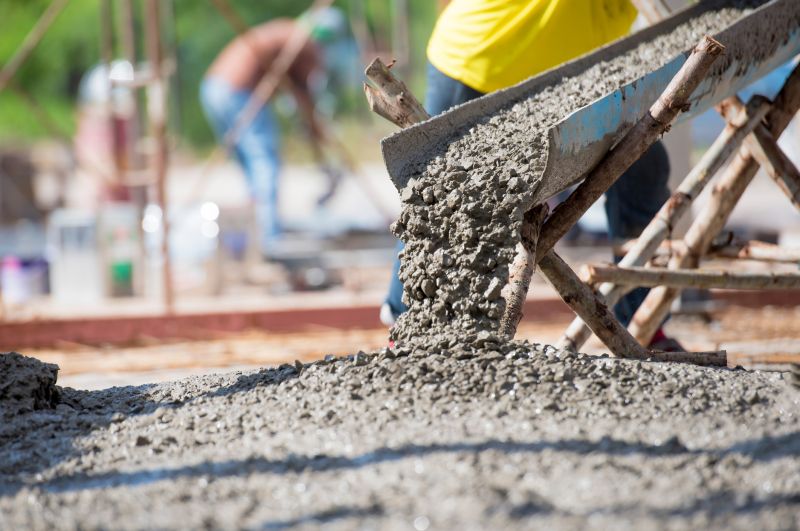 Concrete pouring is a fundamental step in many construction and DIY projects, requiring the right tools and products to ensure a successful outcome. From small home repairs to large-scale commercial builds, selecting appropriate products can help achieve smooth, durable, and properly shaped concrete surfaces. Essential items include forms, mixing tools, and finishing equipment, each designed to facilitate different stages of the pouring process. Proper preparation and quality products can significantly impact the ease of work and the final result.
Top Overall Option
Concrete Mixing and Pouring Kit
A comprehensive concrete mixing and pouring kit offers a versatile solution for various project sizes. It typically includes a durable mixing tub, a sturdy shovel or hoe, a leveler, and protective gear, providing everything needed to prepare and pour concrete efficiently. Such kits are designed for ease of use and portability, making them suitable for both DIY enthusiasts and professional contractors. They help ensure consistent mixing and application, contributing to a smoother workflow and better results.
Types of Products For Concrete Pourings
Concrete Forms and Molds
Reusable or disposable forms that shape and contain poured concrete until it sets, available in various sizes and materials.
Concrete Mixers
Devices designed to blend concrete components thoroughly, available in portable manual, electric, or drum models.
Vibration Tools
Vibrators used to eliminate air pockets and ensure proper compaction of the concrete.
Trowels and Floats
Tools for finishing the surface of the concrete, providing smoothness and texture.
Concrete Buckets and Wheelbarrows
Containers for transporting and pouring concrete efficiently on-site.
Leveling and Raking Tools
Equipment used to distribute and level concrete evenly across the pour site.
Curing Blankets and Sealers
Products that help maintain moisture and protect the concrete during curing.
Edge and Joint Tools
Tools designed to create clean edges and control joints for crack management.
Protective Gear
Safety equipment including gloves, goggles, and masks to ensure safe handling of concrete materials.
Concrete Pumps
Machines that facilitate the transfer of liquid concrete from mixers to the pour site, especially for large projects.
Vibrating Screeds
Tools used to level and smooth large surfaces quickly and efficiently.
Form Release Agents
Chemicals applied to forms to ensure easy removal after concrete sets.
Concrete Additives
Materials added to concrete mix to modify setting times, workability, or durability.
Hand Trowels
Small, handheld tools for detailed finishing work on concrete surfaces.
Expansion Joints
Preformed joints placed within concrete to control cracking and allow movement.
Shovels and Spades
Basic hand tools for mixing, transferring, and spreading concrete.
Popular Choices
Compact and easy-to-maneuver mixers suitable for small to medium projects.
Essential tools for finishing concrete surfaces with a smooth or textured finish.
Vibration tools that help eliminate air pockets and improve compaction.
Preassembled or customizable forms for shaping concrete slabs, walls, or columns.
Tools designed for spreading and leveling concrete efficiently.
Materials used to retain moisture during curing, promoting proper setting.
Sturdy carts for transporting mixed concrete from mixer to pour site.
Equipment that simplifies the transfer of liquid concrete, especially in large projects.
Tools that help create clean, defined edges on concrete surfaces.
Devices used to create control joints in freshly poured concrete.
Safety gear essential for handling concrete and related materials.
Products applied after curing to enhance surface durability.
Preformed strips or materials for controlling cracking.
Hand tools for precise placement and finishing of concrete.
Long, straight tools used to level concrete surface quickly.
Chemicals that facilitate form removal without damaging the concrete surface.
Durable containers for mixing small batches of concrete.
When working with concrete, it is important to consider the type of project, the scale, and the specific requirements such as setting time, finish, and durability. For small projects, lightweight and portable tools might suffice, while larger jobs may necessitate heavy-duty equipment capable of handling high volumes. Additionally, safety gear and protective accessories are vital to ensure safe working conditions throughout the process.
Choosing the right products also involves understanding the different types of concrete forms, mixers, and finishing tools available. Investing in versatile and durable equipment can lead to more consistent results and reduce the need for frequent replacements. Whether you are pouring a small slab or constructing a foundation, having the appropriate products on hand can streamline the workflow and contribute to a more efficient project timeline.
Overall, the key to successful concrete pouring lies in selecting high-quality, suitable products tailored to your specific needs. Careful planning and the right tools can help you achieve a professional-looking finish and long-lasting results, whether for residential, commercial, or hobbyist projects.
Key Buying Considerations
- Project scale and volume to determine the size and capacity of equipment needed.
- Material durability and quality to ensure longevity and reliable performance.
- Ease of use and portability for DIY projects or frequent on-site work.
- Compatibility of tools with different concrete types and additives.
- Safety features and protective gear included or recommended for use.
- Versatility of products to handle multiple tasks within the project.
- Ease of cleaning and maintenance to prolong tool lifespan.
- Availability of replacement parts or accessories for ongoing use.
- Storage options for equipment and tools to keep the workspace organized.
- Budget constraints balanced with the quality and features required.
- Brand reputation and customer reviews for insight into product performance.
- Compatibility with existing tools or equipment on-site.
- Environmental conditions where the concrete will be poured, such as temperature and humidity.
- Time considerations for curing and finishing processes.
- Compliance with safety standards and industry regulations.