Optimal Timing for Concrete Pouring
Concrete should be poured during moderate temperatures, typically between 50°F and 85°F, to ensure proper curing and minimize cracking.
Rain can weaken the concrete surface, while high temperatures can cause rapid evaporation, leading to cracks and reduced strength.
Spring and fall are often preferred due to milder weather, reducing the risk of temperature-related issues during curing.
Scheduling pours when site conditions are stable and accessible helps maintain quality and safety standards.
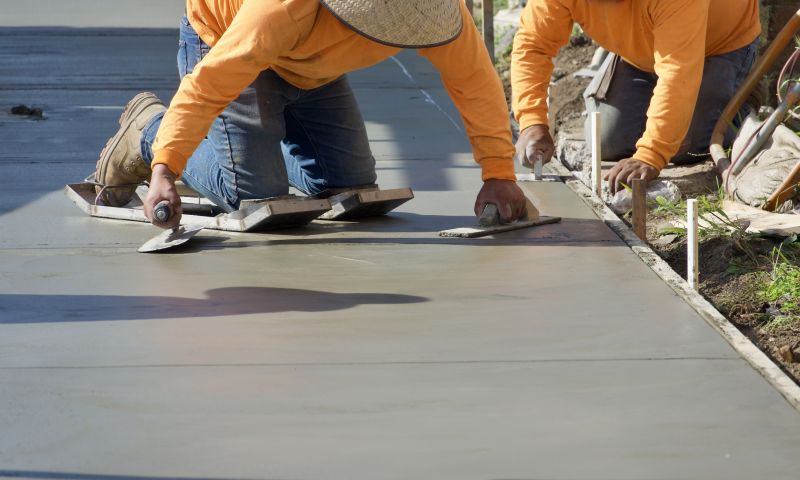
Workers pour concrete during optimal temperatures, ensuring proper hydration and curing.
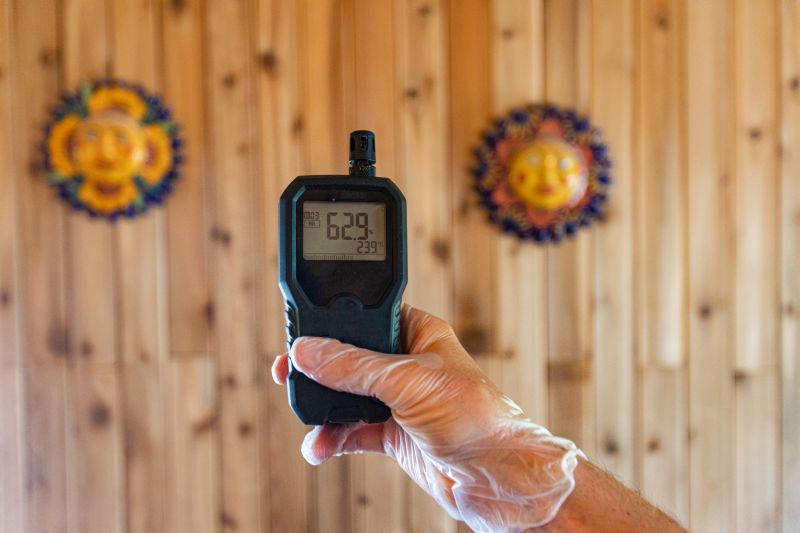
Tools used to track temperature and humidity for scheduling concrete pours.
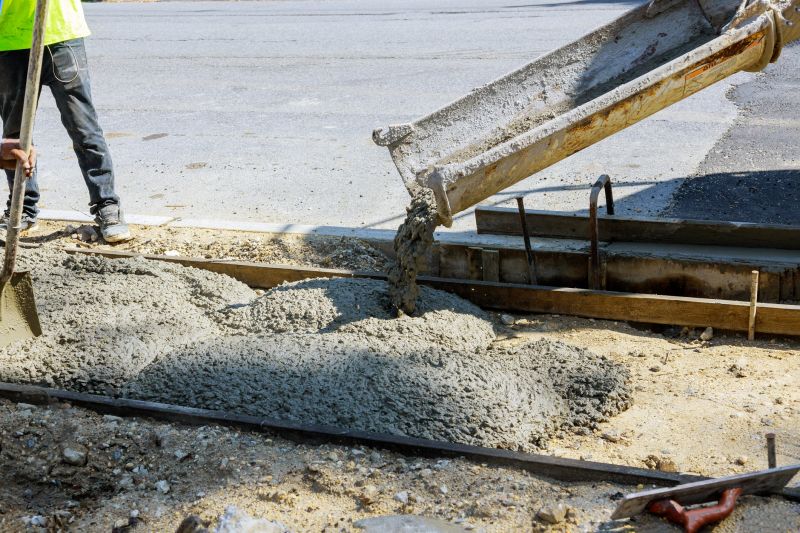
Construction sites adjusting schedules based on seasonal weather patterns.
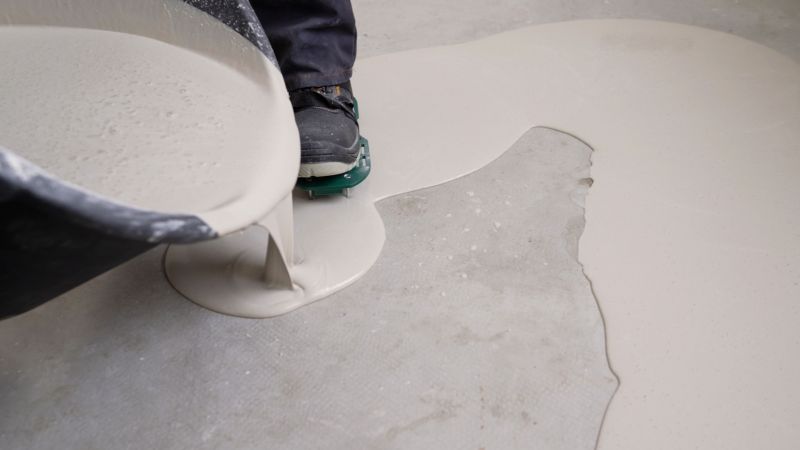
Ways to make Concrete Pourings work in tight or awkward layouts.
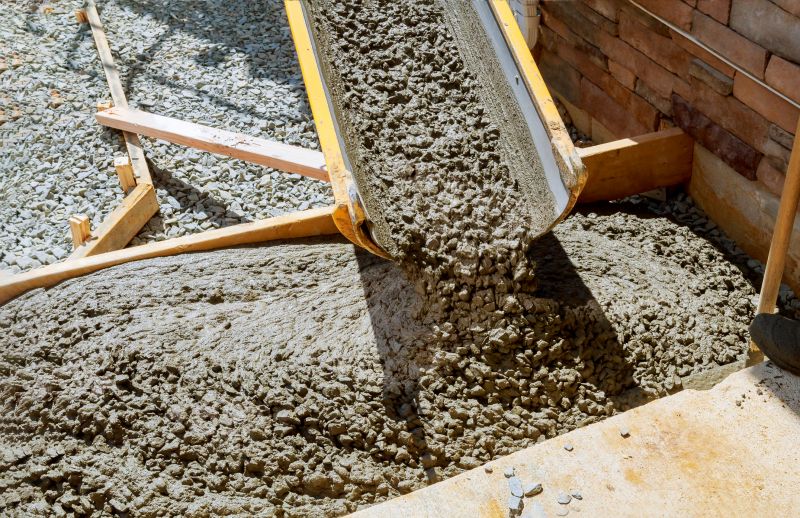
Popular materials for Concrete Pourings and why they hold up over time.
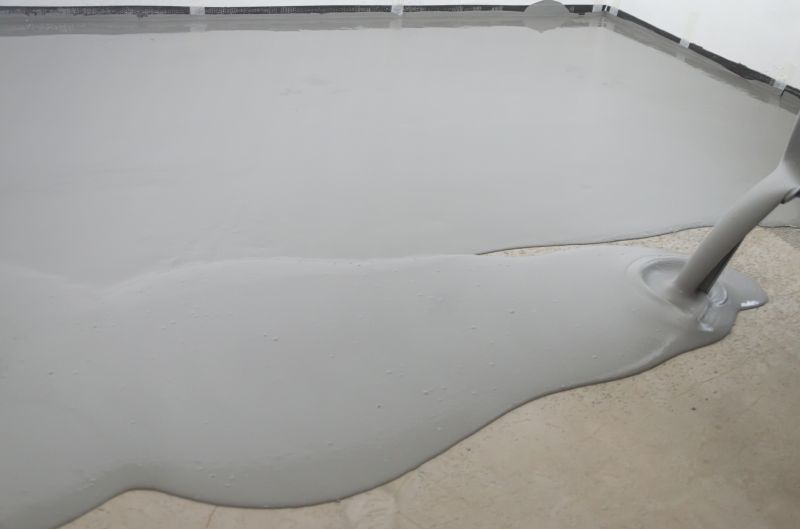
Simple add-ons that improve Concrete Pourings without blowing the budget.
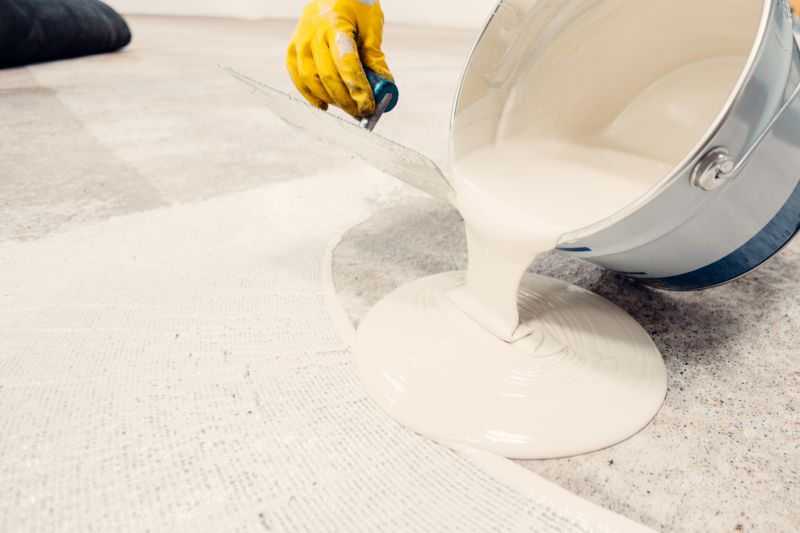
High-end options that actually feel worth it for Concrete Pourings.
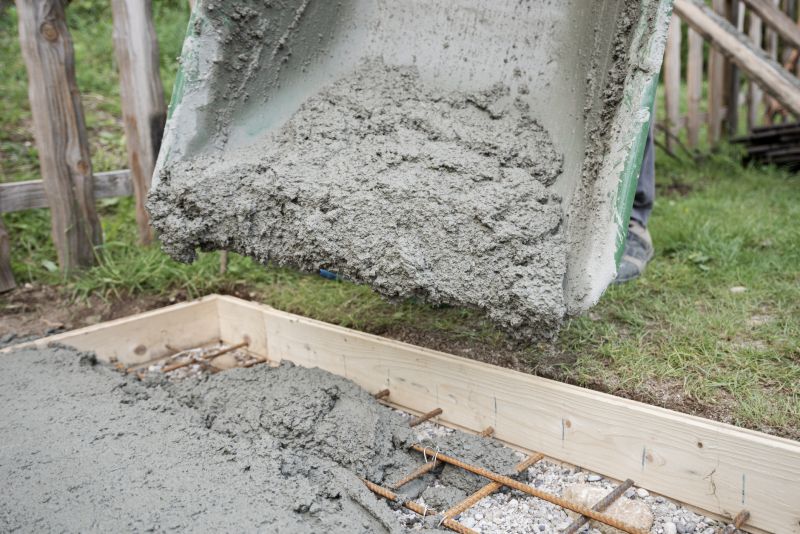
Finishes and colors that play nicely with Concrete Pourings.
| Factor | Recommendation |
|---|---|
| Temperature | Pour between 50°F and 85°F |
| Rain | Avoid pouring during rain or forecasted rain |
| Humidity | Maintain moderate humidity levels |
| Wind | Limit pouring during high winds |
| Season | Prefer spring and fall for milder conditions |
| Time of Day | Early morning or late afternoon |
Concrete pouring is a vital step that influences the structural integrity and longevity of a construction project. Proper timing ensures that the concrete cures correctly, achieving desired strength and durability. Environmental factors such as temperature, humidity, and weather conditions play a crucial role in determining the best time for pouring. By scheduling concrete work during favorable conditions, construction teams can reduce the risk of defects, cracks, and other issues that compromise the quality of the finished structure.
Statistically, concrete that is poured under optimal conditions exhibits higher compressive strength and lower permeability. Proper curing, facilitated by ideal weather, can extend the lifespan of concrete structures and reduce maintenance costs over time. Monitoring weather patterns and adjusting schedules accordingly are best practices to ensure concrete performs as intended.
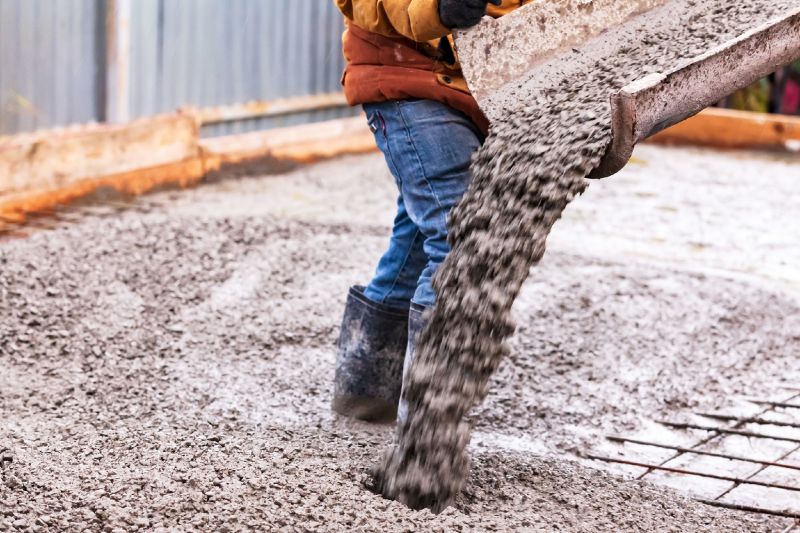
A construction crew pouring concrete under favorable weather, ensuring quality.
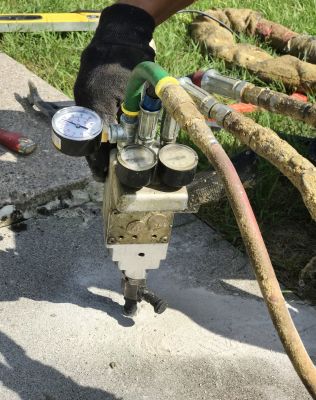
Tools used to protect concrete from adverse weather during curing.
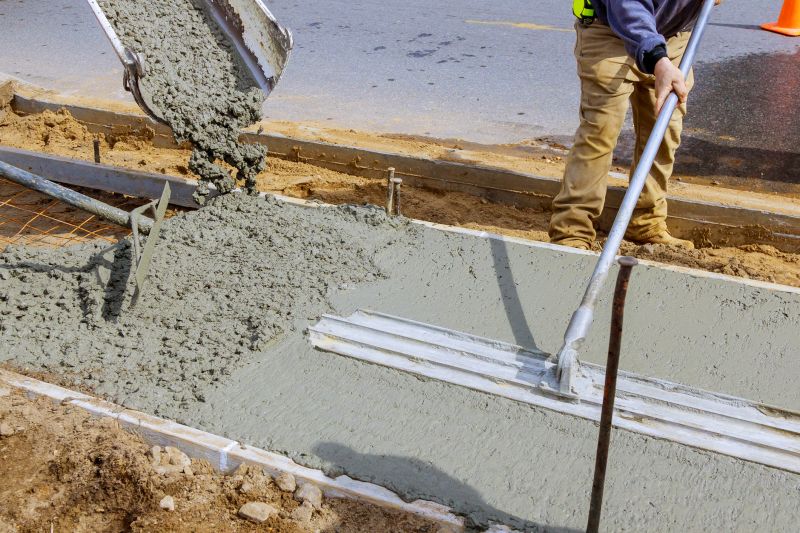
Scheduling concrete pours based on weather forecasts.
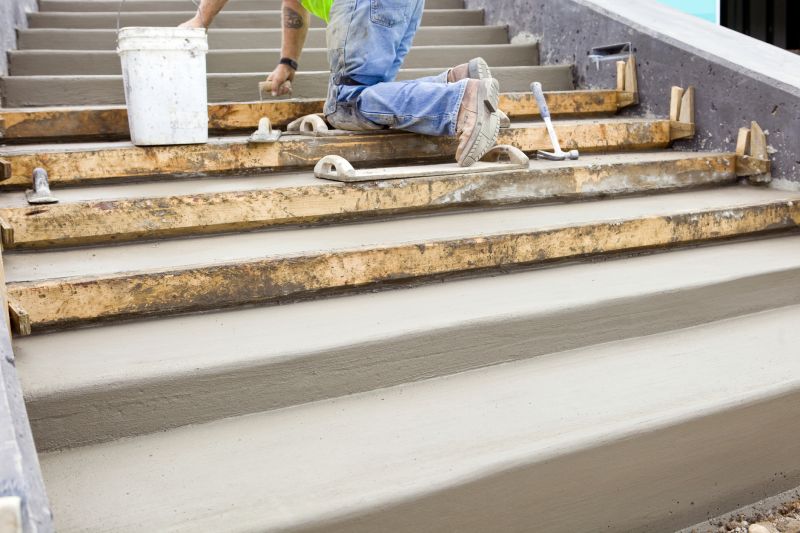
Proper curing techniques to maximize strength and durability.
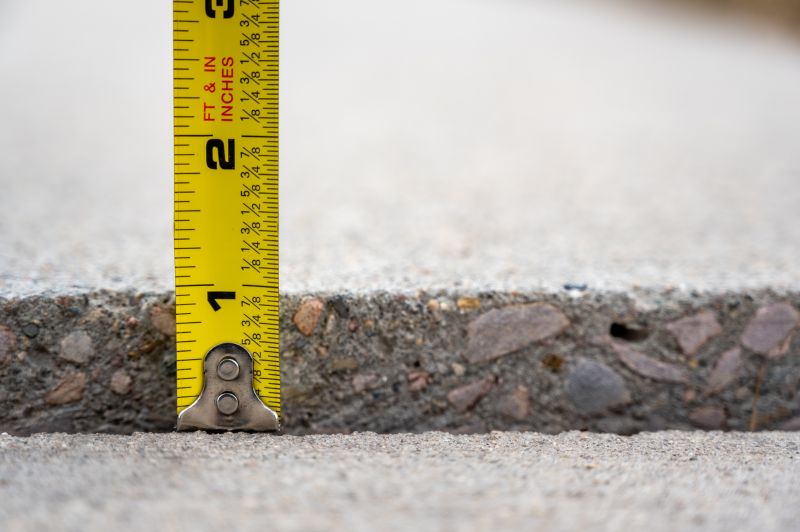
Little measurements that prevent headaches on Concrete Pourings day.
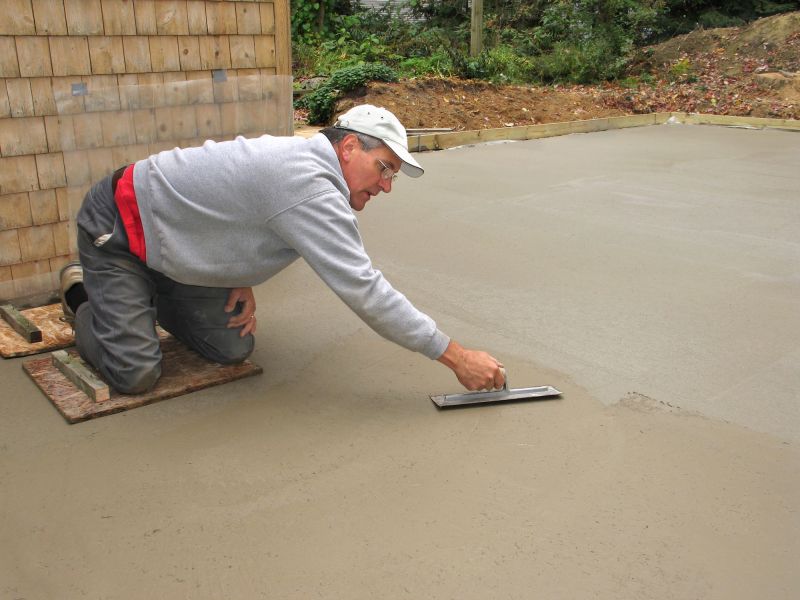
A 60-second routine that keeps Concrete Pourings looking new.
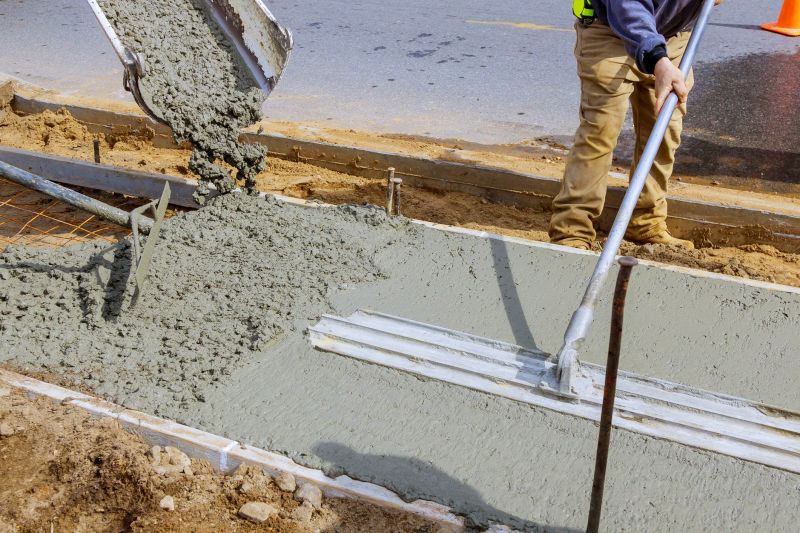
A frequent mistake in Concrete Pourings and how to dodge it.
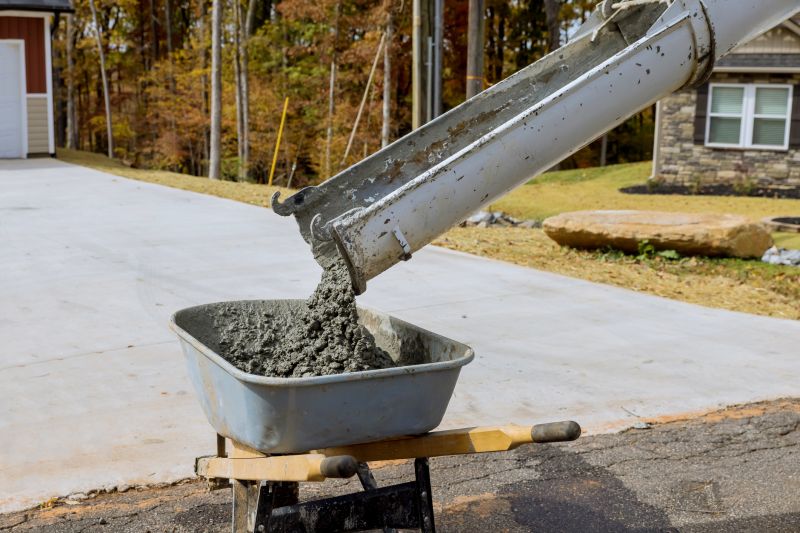
Small tweaks to make Concrete Pourings safer and easier to use.
Interested parties are encouraged to contact for more information on scheduling concrete pourings and ensuring optimal results. Proper planning and timing are essential to achieving durable, high-quality concrete structures.